
Is QC & QA Always Required for Engineering Project
While the extent and formality may vary, Quality Control (QC) and Quality Assurance (QA) are almost always required for engineering projects, either explicitly or implicitly. Even in smaller or less formal engineering projects, some level of quality checks naturally occurs. An engineer reviewing their own design calculations, a team member double-checking another’s work, or a client providing feedback on a prototype all represent informal QC activities. However, for most professional engineering projects, a more structured and documented QA/QC approach is vital.
Here’s why:
- Ensuring Deliverable Quality: The fundamental purpose of engineering is to create functional, safe, and reliable products, systems, or structures. Without QA/QC, there’s no systematic way to ensure that the project deliverables meet the specified requirements and expectations.
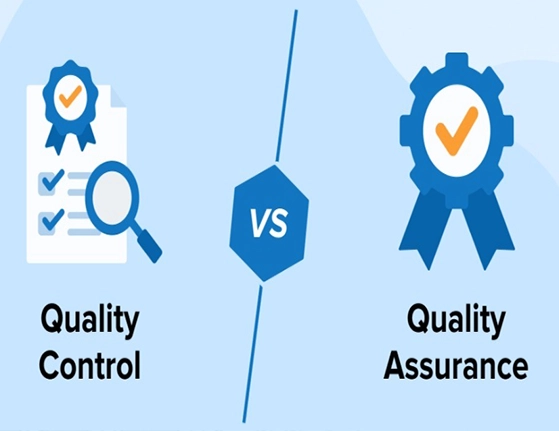
- Preventing Errors and Rework: QA focuses on establishing and improving processes to prevent defects from occurring in the first place (proactive). QC focuses on identifying and correcting defects in the actual work or deliverables (reactive). Both are crucial to minimize costly rework, delays, and resource waste.
- Safety and Compliance: Many engineering projects, especially in regulated industries (e.g., aerospace, medical devices, construction, infrastructure), have stringent safety standards and legal/regulatory requirements. QA/QC processes are essential for demonstrating compliance and ensuring the safety of users and the public.
- Client Satisfaction and Reputation: Delivering a high-quality product or service is paramount for client satisfaction. Consistent quality builds a strong reputation, leads to repeat business, and helps avoid legal disputes or reputational damage.
- Risk Management: QA/QC helps identify and mitigate potential risks throughout the project lifecycle, from design flaws to material defects or construction errors.
- Cost Efficiency: While implementing QA/QC systems incurs costs, these are typically far outweighed by the costs of dealing with defects, failures, recalls, legal issues, and reputational damage if quality is not managed effectively.
- Continuous Improvement: QA emphasizes continuous improvement of processes. By analyzing data from QC activities and project outcomes, organizations can identify areas for improvement and refine their methods for future projects.
Key distinctions and nuances:
- Quality Assurance (QA): Focuses on the process of how a product or service is created. It’s about preventing defects by establishing procedures, standards, and systems. Examples include developing a quality management plan, conducting audits, and training personnel.
- Quality Control (QC): Focuses on the product or deliverable It’s about identifying defects through inspections, testing, and measurements. Examples include material testing, site inspections, and performance verification.
However, even in cases where formal QC/QA isn’t mandated, some level of quality verification is almost always practiced. This might include peer reviews, testing, inspections, or documentation checks. The consequences of poor quality in engineering can be severe – from project failure and cost overruns to safety hazards and legal liability.
Professional engineering codes of ethics typically require engineers to prioritize public safety and welfare, which inherently involves quality considerations. Many professional engineers view QC/QA not just as a regulatory requirement but as a fundamental responsibility.
The scope and formality of QC/QA processes usually scale with the project’s complexity, risk level, and regulatory environment. A small widget design might have informal review processes, while a nuclear power plant would have extensive, documented QC/QA protocols throughout every phase.